Stress and Skin: A Closer Look
By Clara Voss / Feb 17
As the natural skincare movement continues to grow, many are discovering the joy of customizing their own skincare routines. Embracing DIY facials can empower you to take control of your skincare journey, ensuring that you are using the best ingredients for your unique skin type.
Explore the key advantages of incorporating DIY facials into your skincare routine.
Making your own facials can save you money compared to expensive spa treatments.
You can adjust the ingredients based on your skin type and personal preferences.
Using fresh, organic ingredients ensures you’re applying the best to your skin.
The process of making and applying your own facials can be a delightful self-care ritual.
Have you ever considered creating your own facials at home? DIY facials using organic ingredients can be a fantastic way to enhance your skin health while also having fun! At Skin Care & Facial Aesthetics Hub, we believe that understanding the benefits of these natural rituals can empower you on your skincare journey.
As more people seek natural alternatives to commercial products, the rise of natural skincare solutions has gained momentum. Not only are organic ingredients often gentler on the skin, but many also boast powerful benefits that can transform your skin. Let’s dive deeper into why DIY facials are becoming such a popular choice among skincare enthusiasts! If you're curious about other ways to achieve radiant skin, explore our article on radiant skin DIY facial treatments for more inspiration.
Natural skincare solutions have taken the beauty world by storm! This trend is not just a fad; it’s a response to our desire for cleaner, safer products. Many individuals want to avoid harsh chemicals and synthetic additives that can irritate the skin. By opting for DIY facials, you’re not only choosing ingredients you can trust, but you’re also taking control over what goes on your skin.
DIY facials offer an opportunity to customize your skincare routine based on your personal preferences. Imagine being able to tailor your facial treatments to meet your skin's unique needs! With a little creativity, you can easily create recipes that target specific concerns like dryness, oiliness, or a dull complexion.
So, why should you choose DIY facials? Here are a few compelling reasons:
At Skin Care & Facial Aesthetics Hub, I often encourage clients to explore these benefits. It’s all about creating a routine that feels right for you while enjoying the process of caring for your skin!
When it comes to DIY facials, knowing which organic ingredients to use can make all the difference. Each ingredient has its own unique benefits, and understanding these can help you achieve glowing skin! Let’s explore some powerhouse ingredients you can incorporate into your facials:
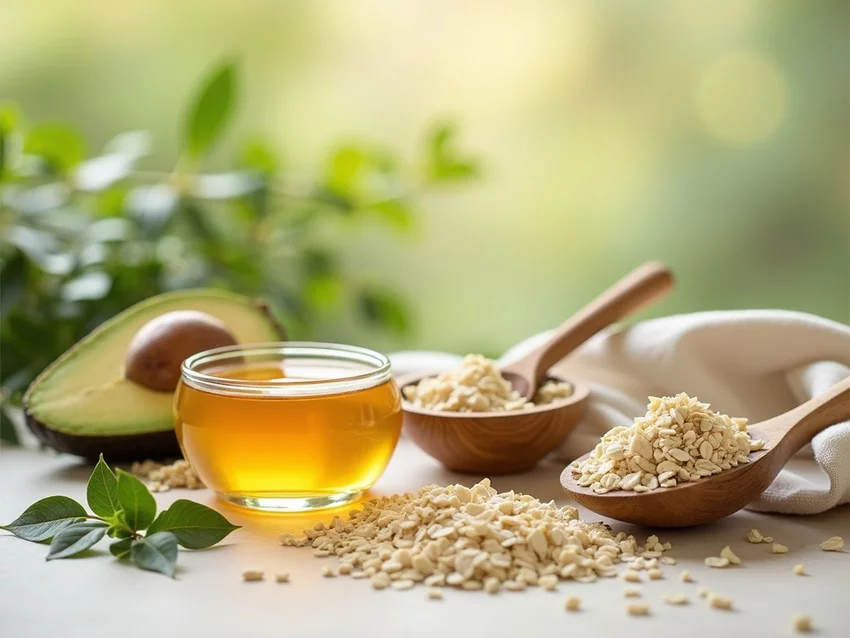
Honey is more than just a sweet treat; it’s a natural humectant that draws moisture to the skin. Its antibacterial properties help fight acne, making it a fantastic choice for all skin types. Imagine applying a honey mask that not only hydrates but also gives your complexion that coveted glow!
Rich in healthy fats and vitamins, avocado is a superfood for your skin. It deeply nourishes and moisturizes, leaving your skin feeling soft and supple. Try mashing up an avocado for a hydrating facial that your skin will thank you for!
Coconut oil is known for its antimicrobial properties and ability to hydrate. It acts as a natural barrier, keeping moisture locked in. Just imagine a soothing coconut oil mask that feels luxurious and rejuvenating!
This delicious ingredient isn’t just for desserts! Cacao powder is packed with antioxidants that protect against free radical damage. A cacao mask can leave your skin looking radiant and youthful!
Aloe vera is fantastic for calming irritated skin. Its soothing properties make it an ideal choice for sensitive skin types. Picture applying fresh aloe vera gel for a refreshing facial after a day in the sun! You can learn more about aloe vera's natural benefits for your skin.
Olive oil is not just a kitchen staple; it’s also rich in antioxidants that nourish the skin. It helps to lock in moisture and can be used as a natural makeup remover. Imagine pampering your skin with the goodness of olive oil!
Green tea is known for its anti-inflammatory and antioxidant benefits. Using green tea in your DIY facials can reduce redness and promote a clearer complexion. Just think of the calming effects of a green tea facial after a long day!
Turmeric is a powerhouse ingredient known for its brightening and anti-aging benefits. It can help to even out skin tone and reduce the appearance of fine lines. Incorporating turmeric into your facials can give your skin a vibrant, youthful glow!
Before diving into DIY facial recipes, it’s crucial to identify your skin type. Understanding your skin can help you select ingredients that will work best for you, leading to better results. Here’s a quick guide to help you determine your skin type:
If you have dry skin, look for recipes that focus on hydration and nourishment. Ingredients like avocado, honey, and olive oil are fantastic options to incorporate into your DIY facials. These ingredients help restore moisture and promote a healthy skin barrier.
For oily skin types, opt for recipes that balance oil production and reduce shine. Ingredients like honey and green tea can help control excess oil while providing hydration. Creating a facial mask that targets oiliness can keep your skin looking fresh and healthy!
If you have combination skin, you’ll want to focus on tailored approaches that address both oily and dry areas. Consider using a mix of ingredients that benefit both skin types. This can help create a balanced and glowing complexion!
At Skin Care & Facial Aesthetics Hub, we’re all about helping you find the perfect fit for your skin. Remember, your skincare journey is unique to you, and embracing it can lead to amazing results! Let's explore the next step together, where I will guide you in creating your very own organic facials! For a general guide on how to determine your skin type and insights into various treatments, check out our article on skin types and treatment insights.
Here's a brief recap of the key points discussed so far:
Here are some common questions about creating and using DIY organic facials:
Have you ever found yourself wondering how to seamlessly incorporate DIY facials into your everyday skincare regimen? It's all about finding the right balance and being consistent! At Skin Care & Facial Aesthetics Hub, we believe that integrating these natural treatments can significantly enhance your skin health and overall wellness.
To get started, I recommend focusing on the frequency of your facials. Understanding how often to use each mask can make a big difference in achieving the results you want. Let’s delve into the details!
When it comes to DIY facials, timing is key. Using the right masks at the right intervals can help maximize their benefits. Think about how they fit into your skincare routine, and consider these guidelines:
By following these recommendations, you can tailor your facial treatments to your skin’s specific needs. I often share these insights with clients, reminding them that consistency is critical for achieving the radiant skin we desire! For more details on maintaining a consistent regimen, read about facial frequency for best results.
Creating a skincare schedule is an effective way to ensure you're regularly treating your skin with love and care. Here’s a simple approach to mapping out your week:
Remember, the key is to choose masks that cater to your skin type and concerns. If you are unsure, I encourage you to explore different recipes and discover what works best for you!
It's essential to personalize your skincare routine based on your unique skin type. Here are some tailored DIY facial ideas:
These tailored approaches can make your DIY facial experience more effective and enjoyable! One of the joys of DIY skincare is experimenting until you find your perfect match.
Did you know that incorporating essential oils into your DIY facials can amplify their effects? Here are some oils to consider:
Adding just a few drops to your masks can elevate your pampering sessions. I often tell my clients that the right combination of ingredients can lead to truly transformative results! So, don't hesitate to experiment and find what suits your skin best. Discover more about natural ingredients for skin wellness to further enhance your DIY projects.
Integrating DIY facials into your skincare routine can be a game changer! Not only do they provide numerous benefits, but they also allow you to tailor treatments to your specific skin needs. Remember, consistency and experimentation are your best friends on this journey.
At Skin Care & Facial Aesthetics Hub, we encourage you to share your DIY facial experiences and discoveries. Together, we can create a vibrant community passionate about skin wellness!
Let's continue this journey towards healthier skin together! Have you found a recipe that works wonders for you? Join our community and share your stories today!
Here is a quick recap of the important points discussed in the article:
By Clara Voss / Feb 17
By Clara Voss / Feb 12
By Clara Voss / Feb 07